Knf

What's a IMO box? Was planning on doing some outdoor gardening this yr but need to get some planters. Thought I might build some, plans may change though. Lol.
Always interested in other ideas n such.
A box (typically cedar) to collect Indigenous Microorganisms. IMOs are the heart of the KNF system, essentially you place cooked white rice in the box and set it out in as undisturbed an area of forest as you can find, depending on weather you come back in a few days to a box full of rice and nice fungal blooms, you mix 1:1 with brown sugar immediately to put the microbes into a state of dormancy for storage, now you have IMO2. IMO2 is mixed with water, FPJ, OHN, & minerals, then applied to a pile of carbon and carbohydrate and kept under 120° for a number of days until it reaches ambient temp, you now have IMO3. Mix a handful of imo3 with water, fpj, ohn, take 1 part of your topsoil and mix it with the remaining imo3 pile, apply liquid imo mix, maintain under 120 til ambient. Now you have imo4, the most versatile imput in your arsenal.
 
Bump. Sorry been doing this alot lately, have had a mental list of things I've wanted to learn about... trying to facilitate this through PH.

Knf has been in the back of my mind for a while.
Quick story- met a friend of a friend, dude who moves some and thinks he knows a thing or two haha. Starts his day off with a big dab sort of epitome of a stoner, more power to him, no way I could keep up.
Anyways he swears by KNF. Idk if I buy it, I guess I need it explained to me. I haven't done any research yet. So I'm coming in with no bias or knowledge.

My ignorant view is essentially me wondering what the mechanism of action is. Are we talking feeding/increasing good microbes?! Actual nutrients available from materials used?

I assume it's not direct what you put in is what you get out, aka using fruit for knf/compost tea increases fruit terps. Or banana knf tea making the flowers smell like banana...

That's the way I recall the guy describing it... now he's been around, maybe he knows more than me.

Which is why I am asking here.

If anyone would be so kind, share your view on KNF in layman's terms, how it works, benefits, reason for use. etc.

Thanks!
 
KNF (Korean Natural Farming) is a regenerative farming method developed by Dr. Cho Han Kyu in South Korea. It uses fermented inputs made from local, natural ingredients to nourish soil life, support plant health, and eliminate the need for synthetic fertilizers and pesticides.


What is KNF Farming?


KNF is a low-cost, closed-loop system that mimics nature. It focuses on feeding and supporting indigenous microorganisms (IMOs) in the soil, which in turn feed plants. Instead of buying nutrients, you make your own inputs like fermented plant juice, fish amino acids, and microbial cultures using sugar, water, and plant/animal materials.


Core KNF Inputs & How to Make Them:

Input
Purpose
How to Use
IMO (Indigenous Microorganisms)Establish strong soil microbiologyCollected from a nearby forest using cooked rice and fermented
FPJ (Fermented Plant Juice)Stimulates plant growthMade by fermenting fast-growing plant tips with brown sugar
FA (Fish Amino Acid)Provides nitrogen and trace mineralsFerment fish scraps with brown sugar and lactic acid bacteria
OHN (Oriental Herbal Nutrient)Boosts immunity and pest resistanceMade from garlic, ginger, cinnamon, and alcohol extraction
LAB (Lactic Acid Bacteria)Improves nutrient availability and digestionMade by culturing rice-washed water and milk
FFJ (Fermented Fruit Juice)Used in flowering stageMade from ripe fruits and brown sugar
WCAP (Water-soluble Calcium + Phosphate)Strengthens cell walls and helps with fruitingMade from eggshells and vinegar
WCA (Water-soluble Calcium)Boosts flowering and prevents calcium deficienciesMade by soaking roasted eggshells in vinegar


Benefits of KNF Farming:


  1. Cost-effective: Uses local and kitchen waste materials — minimal need for store-bought products.
  2. Improves soil health: Feeds soil microbes and promotes nutrient cycling.
  3. Boosts plant immunity: Fermented inputs strengthen plants’ natural defenses.
  4. Sustainable: Reduces dependence on synthetic chemicals and supports biodiversity.
  5. Clean, safe food: Great for organic farming and small-scale growers.


Basic Weekly KNF Application (Foliar Spray)

Growth Stage
Inputs
VegetativeFPJ + LAB + FAA (fish amino acids)
FloweringFFJ + WCA (calcium) + LAB
Pest/Stress PreventionOHN + FPJ + LAB


How to Start KNF Step-by-Step:
  1. Collect IMOs: Place cooked rice in a breathable container in a wooded area to attract native microbes.
  2. Culture IMOs: Mix collected rice mold with brown sugar and ferment; then expand on wheat bran or soil for IMO2–4 stages.
  3. Brew inputs: Make FPJ, OHN, LAB, FAA, etc., over time as you need them.
  4. Apply Weekly: Use diluted input mixtures according to plant stage.
  5. Observe & Adjust: Monitor plant responses and adjust ingredients as needed.


Summary:


KNF = local inputs + live biology + natural plant nutrition. It transforms waste into powerful fertilizers, strengthens plant resistance, and rejuvenates the soil—all in a sustainable, low-cost way.
 
KNF is legit, but it's mainly been used for vegetable farming and has really only been used in cannabis for a few years. Definitely a developing system if you have the time, space and desire...
 
KNF is legit, but it's mainly been used for vegetable farming and has really only been used in cannabis for a few years. Definitely a developing system if you have the time, space and desire...
KNF farming is not mainstream in cannabis cultivation, but it is gaining popularity, especially among:
  • Small-scale, craft, and regenerative growers
  • Organic-certified or Clean Green Certified farms
  • Growers focused on sustainability, terpene quality, and soil health
  • Off-grid or low-budget growers who want to make their own nutrients


Why it’s not more common (yet):
  • KNF requires time and knowledge to make and apply inputs correctly.
  • It’s less predictable than synthetic nutrients, especially for commercial-scale production.
  • Many commercial growers prioritize yield and consistency over quality and flavor .


But it’s growing because:
  • Cannabis consumers are demanding cleaner, chemical-free products.
  • KNF-grown cannabis often has richer terpene profiles and better flavor/smoothness.
  • It’s cost-effective once the methods are learned.
In short, KNF is still niche, but it’s growing fast in organic and regenerative cannabis circles.

KNF (Korean Natural Farming) is used in both cannabis and hemp cultivation, particularly in organic and regenerative farming circles. KNF is valued for promoting plant health, improving soil microbiology, and reducing input costs.


Here’s how KNF is applied in cannabis or hemp farming:


1.
Fermented cannabis Plant Juice (FPJ)
  • Purpose: Provides natural growth hormones and nutrients.
  • Use: Sprayed during the vegetative stage to promote lush growth. Often made from fast-growing local plants like comfrey or mugwort.


2.
Fermented Fruit Juice (FFJ)
  • Purpose: Boosts sugar content and flowering.
  • Use: Applied during the flowering stage to support bud development and increase terpene production.


3.
Indigenous Microorganisms (IMO)
  • Purpose: Improves soil life and nutrient cycling.
  • Use: Applied to the soil to strengthen root systems, fight pathogens, and enhance nutrient uptake.


4.

Lactic Acid Bacteria (LAB)
  • Purpose: Controls pathogens and aids in nutrient digestion.
  • Use: Sprayed on leaves or added to soil to reduce powdery mildew and promote healthy microbe activity.


5.
Water-Soluble Calcium and Phosphorus (WCA/WCP)
  • Purpose: Supports bud and flower development.
  • Use: Often applied mid-to-late flower to prevent calcium deficiencies and enhance structural integrity.


6.
OHN (Oriental Herbal Nutrient)
  • Purpose: Plant immunity booster.
  • Use: Used as a general tonic throughout the growth cycle to strengthen plant resistance to pests and diseases.


Why KNF Appeals to Cannabis/Hemp Growers:
  • Clean inputs for a product that is often consumed or inhaled.
  • Avoids synthetic fertilizers and pesticides.
  • Enhances flavor and terpene profiles naturally.
  • Supports sustainable, low-cost, closed-loop systems.


Here’s a sample KNF feeding schedule for cannabis, broken down by growth stage. This can be adjusted based on your strain, environment, and input strengths.

Vegetative Stage (Weeks 1–4)
Input
Application Method
Frequency
Notes
FPJFoliar or soil drench1–2x/weekUse from vigorous green plants like comfrey or sweet potato tips.
LABSoil drench or foliar1x/weekPromotes root health, fights pathogens. Dilute ~1:500.
IMO#4Soil application1x at startMix into soil or top-dress for microbial inoculation.
OHNFoliar or soil drench2x/weekHelps build pest resistance and plant immunity. Use at ~1:1000.
Diluted FAA (Fish Amino Acid)Soil drench1x/weekOptional but helpful for nitrogen during veg. Dilute well (~1:1000).


Transition to Flower

Input
Application Method
Frequency
Notes
FPJ (from fruits or flowers)Foliar1x/weekStart transitioning to inputs made from flowering plants or fruits.
OHNFoliar or soil drench2x/weekContinue for immunity.
LABSoil or foliar1x/weekHelps with pathogen control as humidity increases.


Flowering Stage
Input
Application Method
Frequency
Notes
FFJ (Fermented Fruit Juice)Soil drench1–2x/weekUse ripe fruits like papaya or banana to boost sugar/terpenes.
WCA (Calcium)Soil drench1x/weekSupports flower structure, especially in mid-flower.
WCP (Phosphorus)Soil drench1x/weekBoosts bud size and density. Use in later flowering.
OHNFoliar or soil drench1x/weekOptional late flower; lower dose if spraying.
LABSoil or foliar1x/weekKeeps roots and leaves healthy under flowering stress.


Flush (Last 1–2 weeks)
  • Plain water or LAB water only.
  • Stop nutrient inputs to allow plants to finish clean.


Last edited:
FFJ
Fermented fruit juice.

Has anyone personally done this? I might have to do a side by side with the same cut this fall.

What came to mind is how its been claimed that sulphur can bring out more skunky terps.

Similarly it make me wonder if ffj can translate as such. I was thinking that it's not so straitforward, that in the process of becoming available to the plant the fruit becomes more of a general sugar/sweetener. For example, banana ffj would not specifically add banana terps or flavor to the flowers.

Bananas come to mind because they are cheap.

But I'm just guessing to be honest. One thing I know from being on here and asking questions or making claims is that I really don't know much.

Thanks for the replies everyone
 
Last edited:
FFJ
Fermented fruit juice.

Has anyone personally done this? I might have to do a side by side with the same cut this fall.

What came to mind is how its been claimed that sulphur can bring out more skunky terps.

Similarly it make me wonder if ffj can translate as such. I was thinking that it's not so straitforward, that in the process of becoming available to the plant the fruit becomes more of a general sugar/sweetener. For example, banana ffj would not specifically add banana terps or flavor to the flowers.

Bananas come to mind because they are cheap.

But I'm just guessing to be honest. One thing I know from being on here and asking questions or making claims is that I really don't know much.

Thanks for the replies everyone
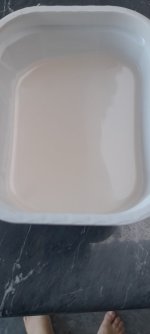
Like anything make sure they are organic, like those bananas peels if not organic the non organic def use some scary shit and it’s def in the peels (fungicides )

But it’s insane good ( terp gerp made this, once my bottle is empty I’m making my own )


Here’s a simple KNF-style recipe using banana peels, commonly made into Fermented Fruit Juice (FFJ)—a natural potassium- and sugar-rich input great for flowering cannabis or hemp.


KNF Banana Peel FFJ Recipe

Ingredients:
  • Ripe banana peels (yellow with spots, not green or black)
  • Brown sugar (raw, unrefined is best)
  • A clean glass jar with a loose-fitting lid or breathable cover (cloth or paper towel)


Instructions:
  1. Chop banana peels into small pieces for faster fermentation.
  2. Weigh the peels, then weigh an equal amount of brown sugar (1:1 ratio).
  3. Mix peels and sugar in a bowl until the sugar draws out moisture (they’ll get juicy).
  4. Pack the mixture into your jar, pressing it down gently. Leave about 1/3 of the jar empty to allow gas expansion.
  5. Cover the jar with a breathable material (cheesecloth, coffee filter) and secure with a rubber band or string.
  6. Ferment for 5–7 days at room temperature in a dark place.
    • Stir once a day to prevent mold.
    • You’ll see liquid collecting at the bottom.

  7. Strain the liquid after fermentation (cheesecloth or mesh strainer).
  8. Store FFJ in a clean bottle in a cool, dark place. It lasts several months.


Application (for cannabis):
  • Dilute 1:500 to 1:1000 in water (e.g., 1–2 ml per liter).
  • Use during flowering phase as a soil drench or light foliar spray.”
 
FFJ
Fermented fruit juice.

Has anyone personally done this? I might have to do a side by side with the same cut this fall.

What came to mind is how its been claimed that sulphur can bring out more skunky terps.

Similarly it make me wonder if ffj can translate as such. I was thinking that it's not so straitforward, that in the process of becoming available to the plant the fruit becomes more of a general sugar/sweetener. For example, banana ffj would not specifically add banana terps or flavor to the flowers.

Bananas come to mind because they are cheap.

But I'm just guessing to be honest. One thing I know from being on here and asking questions or making claims is that I really don't know much.

Thanks for the replies everyone
Great info by bh.
It's about building the microbes in the soil for easier/faster uptake for plants. Think of a symbiotic relationship. Fungi and bacteria making the root hairs/nodes larger and enhancing nutrient and water uptake.
Things like rhizobia bacteria can help uptake nitrogen from the air and fix it in the soil making in ready for plants to access As well as faster absorption/uptake where phosphorus is present.
Alot of farmers innoculate their leguje/grain crops with a specific rhizobia bacteria when planting. Mychorrizal fungi are great too. I'm thinking of innoculating plants, not just cannabis with bacillus amyloliquefaciens which actively suppresses and outcompetes botrytis also it can produce enzymes that collapse the botrytis cell walls. Bh showed it being sprayed. I read an article by an aussie farmer that sprays his vineyard when there is high humidity in the preceding weeks prior to harvest.

I use a fusion of knf, jadam with mine.
I prefer to make fish hydroslate as compared to faa. Much quicker, great for building up your mychorrizal fungi populations and nice phosphorus, nitrogen.
I have made ffj and a fruit jlf. Ffj for foliar, fruit jlf for soil.
I use gypsum in soil buy still spray with cal/phos eggshell/shell grit vinegar foliar.
I have a couple of natural foliar sprays for pests and diseases.
Worm castings in the Mix is great for deterring bad pathogens in the soil and help build native populations of good fungi and bacteria, plus its great in teas to feed plants aswell.
Cover crops help too if you are growing outdoors. Clover and phosphorus fixing cover crops will help, but basically utilising what you have around. If you had camellia trees around I would be composting the flowers making tees or burying them in your hole for phosphorus calcium content they are high in. Putting nutrients in the soil while worms and bacteria and fungi break it down for you for canna or fruit crop food.
as for sulfur, gypsum has a decent amount of that in its make up.
That's all I can think of early Sunday morning. I'm no expert, just a willing student that has a voracious appetite to learn. Check out worlds last hope on ig. That bloke has so much info he has shared for free on his page. Insane knowledge. And slownickel on there for agriculture/canna and scientific data in regards to calcium rich souls and souls in general. That bloke is an Oracle
Hope my ramblings have helped
 
So I've been out of action for about 18 months. A few good heads know the dramas I have been put through and it's finally put to bed after a 10 day sleep dep excursion by his majesty and his agents.

Most know I love growing outdoors and in the ground and i utilise a fusion of knf, jadam, organic, natural, hippy style....whatever is done in balance with nature I utilise. I use it across the board, veggies etc.

It's not Tuesday yet but like tight arse Tuesdays I like utilising whatever i can with little to no cost involved where I can help it.
I think with no till indoors aswell as outdoors pumping up the microbiology that has been historically degraded due to old farm practices is where the best outcome, yield, flavour and potency meet in a holy triumvirate.

Keeping the populations up and with cover crops and even feeding the soil in preparation for next season is what I aim for. In winter here I would usually start either digging huge holes if I haven't planted there before and starting filling with compost, gypsum and, tonnes of fish guts etc from fish mongers for free would be a backbone aswell as manure, horse, cow, chicken, mushroom compost, grass clippings, camellia flowers dropped on the ground, dry leaves etc whatever I had available for SFA and mixing it with layers and covering over with a good cover of fresh grass clippings to help keep the soil underneath as warm as possible while it's cold as buggery down under.

Or if I had grown there before I would ensure I top up gypsum and use jlf, fish hydrosolate and water in with pasta water,
And a few other treats.


As tight arse as it gets I use labs and pay for myco (one of the expenses I happily pay) and have started watering using left over yoghurt tubs rinsed and left over milk from kids brekky. Full of calcium and simple sugars to help keep microbes happy.


1000016426.jpg

Another thing I use which costs nothing but my time is leftover fruit from fruit smoothies. The stuff left on the sides. Quick rinse and.added to soil, full of potassium, magnesium and simple sugars for happy microbes.
1000016427.jpg

I'll put up some aloe vera jlf. Great to inoculate soil, spray for pests, spray during growth stages. Great for rooting and to help establish quicker roots. I do love willow water for fast rooting.
 
Good to see you , Froster.
Glad that is all behind you, nothing better than seeing only opportunity on the horizon.

Timothy and Alfalfa is so inexpensive, I am surprised that I don't see more people using it.
20 bucks for 20 kilos, as livestock feed.

I stole this list from THC farmer.
Link
Alfalfa ingredients:

* Triacontanol (growth stimulant)
* Vitamin A (high concentration)
* Thiamine
* Riboflavin
* Pantothenic Acid
* Niacin
* Pyridoxine
* Choline
* Bentaine
* Folic Acid
* co-enzymes
* Crude proteins (16 - 25% in dry alfalfa)

Amino acids (% in alfalfa meal).

* Tryptophan, 0.3 %
* Aspartic Acid, 2.3%
* Threonine, 1.0 %
* Serine, 1.0%
* Glutamic Acid, 2.7%
* Proline, 1.2%
* Glycine, 1.1%
* Alanine, 1.1%
* Cystine, 0.2%
* Valine, 1.0%
* Methionine, 0.3%
* Isoleucine, 0.8%
* Leucine, 1.6%
* Tyrosine, 0.5%
* Phenylalanine, 1.0%
* Histidine, 0.4%
* Lysine, Total, 1.1%
* Arginine, 1.1%

Minerals (contained in dry alfalfa)

* Nitrogen 3.75-5.5 %
* Potassium .75 - 3.5 %
* Phosphorus .3 - .7%
* Calcium 1 - 2 %
* Magnesium .30 - 1 %
* Sulphur .2 - .5 %
* Manganese 30-200 ppm
* Iron 20-250 ppm
* Boron 20-80 ppm
* Copper 5-20 ppm
* Zinc 20-70 ppm


I have to assume that most of this ( and more) is coming out the South end of my North facing rabbits.
🐰
 
As an Amazon Associate we earn from qualifying purchases.
Much larger plants in the treated trial as compared to the control. Small dose too. I like it. Alfalfa/lucerne hay over here is a great spot mate. I'm interested in incorporating a top dress of malted barley during grow season aswell and watering in. So many avenues. I liken it to a city centre. Lots of bus train tram truck car bike routes to take on the way to the destination.
 
So I have access to the ocean about 50m away. Took kids and pup for a walk and noticed sea weed, sea moss, in particular:
Ulva Cladophora → coarser, wiry, often harder to break apart, still hair-like and green.
So the bunch I found was washed up and I thought bugger it, grab it and make some fertilizer. This has been laid out on the old concrete driveway, hosed off then transferred into big buckets of fresh clean water to soak. Rinsed and wrung out, then put back into fresh clean freshwater for another 24hrs, then a final wring out.
1000016753.jpg
After I'm happy it's rinsed out it was put into this bucket and we start the jlf process, great growth hormones and great array of micro nutrients in seaweed.
1000016951.jpg
This has had labs added to it some leftover pasta water and a handful of macaroni that had been left open for ages by kids. All the gurus will tell you sugar etc, I've found starches etc all feed the microbes and because I like to use whatever I can to make things work. Macgyver style natural.
That photo is 24hrs after adding labs.
This photo is 7 days after. Well and truly kicking on. I will let this go for atleast a month. When finished leftovers will be put into bucket and adding to batch of living soil I'm going to make.

20250829_120406.jpg
 

Forum statistics

Threads
4,172
Messages
285,008
Members
2,259
Latest member
weigelfamilyfarms1
Back
Top Bottom